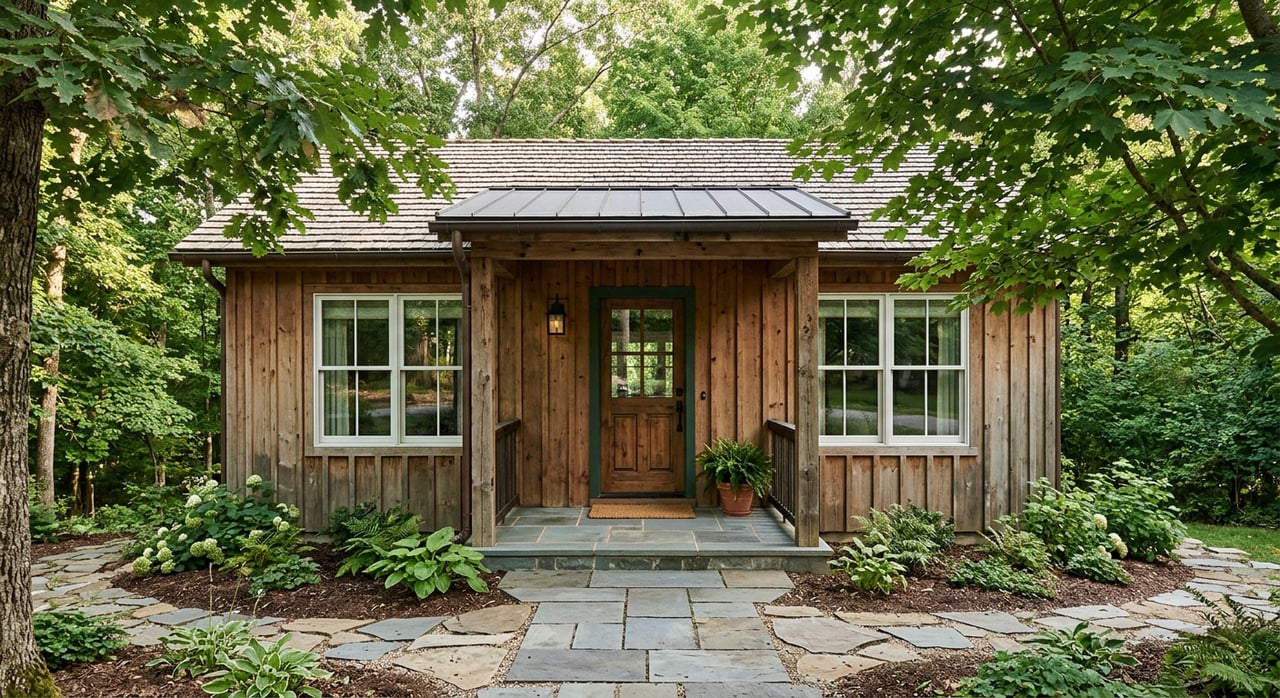
Pricing Your LaFollette Home In Today’s Market
May 7, 2026
May 7, 2026
Wondering why one LaFollette home gets attention fast while another sits for months? In today’s market, pricing is not about picking a hopeful number and waiting. It is about reading local demand, understanding your property’s exact features, and using real evidence to land in a price range buyers can support. Let’s dive in.
LaFollette’s market calls for careful pricing, not guesswork. Public data for March 2026 shows a slower environment, with negotiation playing a bigger role than it does in a fast-moving seller’s market.
Redfin reported a median sale price of $214,950 in LaFollette in March 2026, up 2.4% year over year. At the same time, only 2 homes sold and the median days on market was 334 days, which means that snapshot is useful for direction but too small to treat as the whole story.
Realtor.com also classified both LaFollette and Campbell County as buyer’s markets in March 2026. It reported that homes sold on average a little below asking, with 266 homes for sale in LaFollette and a county median of 76 days on market, all of which points to more room for negotiation.
A county-wide number will not tell you what your home should list for. Redfin reported a March 2026 median sale price of $370,000 for Campbell County, which is much higher than the city figure for LaFollette.
That gap is a reminder that the broader county includes a mix of property types that may price very differently. In the Norris Lake corridor, lakefront homes, off-water homes, acreage, and rural properties often attract different buyers and follow different value patterns.
This is why a single online estimate can miss the mark. Your best price range should come from adjusted local comps and property-specific details, not from a broad average.
A strong pricing strategy starts with the same basic framework used in professional valuation. Campbell County’s Assessor values real property at fair market value, and Tennessee appraisal guidance describes value as the most probable selling price based on the property’s characteristics.
For most single-family homes, the sales comparison approach is the key method. That means comparing your home to recent sales or listings with similar utility, quality, age, amenities, and location, then adjusting for the differences.
Common pricing adjustments can include:
In a smaller market, exact matches are not always available. Tennessee’s residential appraisal guidance notes that when sales are limited, comparable properties may need to come from similar or competing areas farther away.
If you have checked an online estimate and then heard a different number from a local agent, you are not alone. Automated estimates often rely on broad data models, but pricing in LaFollette can change quickly from one pocket of the market to another.
This is especially true near Norris Lake. A home with shoreline rights, better dock potential, or more usable lake access may compete in a very different price bracket than a home that only has a distant water view.
Public market reports also do not always line up perfectly. Redfin and Realtor.com reported different days-on-market figures for LaFollette, which likely reflects different datasets and definitions. For you as a seller, the takeaway is simple: online tools can help frame the conversation, but they should not replace a local comparative market analysis.
LaFollette’s own city website calls the area “Your Gateway to Norris Lake,” and that identity matters when it comes to pricing. TVA describes Norris Reservoir as a major recreation destination with 809 miles of shoreline and 33,840 acres of water surface.
That kind of setting creates meaningful value differences between homes that may look similar on paper. In many cases, the biggest pricing question is not just square footage or updates. It is the home’s relationship to the water.
A lakefront home should not be priced the same way as a lake-view home. An off-water home also needs its own set of comparable sales, because buyers are often shopping with different priorities and budgets.
Research supports this distinction. A national study published in PNAS found that homeowners place a premium on improved lake water quality, and that the premium is highest for lakefront property and declines as distance from the water increases.
For pricing, that means you should separate homes into clear buckets:
Not every waterfront property offers the same usability. TVA says Norris Reservoir’s water level typically varies about 29 feet from summer to winter in a normal rainfall year.
That seasonal change can affect how a buyer views shoreline access, elevation, and dock usability. A listing that simply says “waterfront” may not tell the full value story.
TVA also states that shoreline construction on its reservoirs generally requires approval, including docks and even minor shoreline changes. Just as important, not all waterfront property is eligible for a dock, and permits do not automatically transfer with ownership.
Before setting a final list price on a waterfront or lake-adjacent property, it makes sense to confirm:
Many sellers hope recent improvements will fully raise the asking price by the amount spent. In practice, Tennessee’s appraisal glossary makes clear that market value reflects the contribution of improvements, not their raw cost.
In plain terms, a new kitchen or bath is worth what buyers in your market are willing to pay for it. If similar homes are not getting a premium for a certain upgrade, the market may not return every dollar spent.
That does not mean updates do not matter. Condition, construction quality, visible maintenance, and site improvements all affect how buyers compare your home to others on the market.
The key is to price updates based on evidence, not emotion. Buyers notice clean, well-kept, and functional homes, but they still compare them to nearby options and recent sales.
Before your home goes live, it helps to verify the property record. Campbell County says the Assessor’s office identifies and values taxable property, processes recorded transfers, and maintains property records.
That matters because pricing works best when the basic facts are accurate. Square footage, lot details, recorded transfers, and other property characteristics can all influence a buyer’s impression and a comparable market analysis.
For waterfront homes, this step becomes even more important. TVA recommends reviewing the Section 26a permit, checking approved shoreline construction, and understanding whether land rights support the existing setup.
If your property is near the lake or in a low-lying area, flood risk should be part of the pricing conversation. FEMA says its Flood Map Service Center is the official public source for flood hazard information.
FEMA also states that areas with a 1% annual chance of flooding are considered high risk. For properties in a Special Flood Hazard Area, federally backed loans can require flood insurance.
That does not automatically reduce value, but it can affect buyer costs, financing, and how your home compares to others nearby. When that applies, it is better to understand it upfront than let it become a late-stage surprise.
In a market like this, the goal is not to chase the highest possible number. The goal is to identify the buyers most likely to compete for your exact property and support the price with real evidence.
A practical pricing process usually looks like this:
That process is especially valuable in LaFollette and the surrounding Norris Lake corridor, where one property can be very different from the next. A thoughtful pricing strategy helps you avoid overpricing, reduce stale-market risk, and put your home in front of the right buyers from day one.
When you are ready to price your home with local insight and a clear plan, connect with Alco Builders and Realty for guidance grounded in the LaFollette and Norris Lake market.

We pride ourselves in providing personalized solutions that bring our clients closer to their dream properties and enhance their long-term wealth.