
Second Home Financing Options on Norris Lake
November 21, 2025
November 21, 2025
Dreaming of a place on Norris Lake where weekends start on the water, but not sure how to finance it? You are not alone. Second homes come with different loan rules, extra documentation, and a few local wrinkles around docks, flood maps, and HOA policies. In this guide, you will learn the main loan options, what lenders expect, and the local checks that can make or break a deal. Let’s dive in.
Conventional second-home loans are designed for personal use, not regular short-term rentals. Many well-qualified buyers start with about 10 percent down, though 20 percent is common for better pricing and smoother approval. Lenders also expect stronger credit and more cash reserves than for a primary home.
If you are eyeing condos or attached homes, ask early about project eligibility. To use agency financing, the condo must be warrantable, which means the HOA’s budget, insurance, and owner-occupancy rates must meet set standards. Non-warrantable projects may still be financeable through portfolio lenders.
If your loan amount is above the current conforming loan limit set by the FHFA, it falls into jumbo territory. Underwriting varies by lender, but jumbo loans often require 20 percent or more down, additional reserves, and tighter documentation. You can review the FHFA’s page on the current conforming loan limit to understand where jumbo starts.
Portfolio lenders keep loans on their own books and can be more flexible. This route is helpful for unique properties, non-warrantable condos, or homes with features like private docks and unusual shoreline arrangements. A condo in a community like Paradise Cove, for example, may require this approach if the project does not meet agency warrantability. Expect pricing and terms to vary more than with agency loans.
A higher score helps control rate and cost. Many lenders prefer 720 or higher for top pricing on second homes, though lower scores may still be possible with tradeoffs. Clean payment history on mortgages and credit is important.
Plan for 3 to 6 months of PITI reserves for conforming second homes and 6 to 12 months for many jumbo loans. Some lenders ask for more, especially if you own multiple properties.
Lenders will review your full debt picture and income stability. Self-employed buyers should prepare two years of tax returns or look into alternative documentation with portfolio lenders.
To qualify as a second home, you need to show personal use intent. If you expect frequent short-term rentals, lenders often reclassify the property as an investment, which changes requirements. Ask each lender how they treat occasional rental use.
Detached homes are usually straightforward. Condos must meet agency warrantability for conventional financing. Non-warrantable condos and unique features like shared docks or special shoreline easements often point you toward portfolio lending.
Appraising lake properties can be complex because value is tied to water access, view, lot grade, and dock rights. Expect underwriters to look closely at comparables and shoreline documentation. If comps are limited, a lower loan-to-value may be needed.
Norris Lake is managed by the Tennessee Valley Authority, and docks or shoreline structures often require permits or licenses. Lenders and title companies will want to see whether docks are permitted and who controls them. Review TVA’s shoreline construction guidance and ask the seller for any permits or agreements.
If any structure is in a FEMA Special Flood Hazard Area, flood insurance is typically required for most mortgages. Check the FEMA Flood Map Service Center and confirm insurability and premiums before you commit.
Request HOA documents early to confirm rental policies, assessments, reserves, and insurance. If the property is a condo, verify whether the project is warrantable for agency financing. In places like Paradise Cove, a quick warrantability check can save weeks.
Campbell County property taxes, assessments, and HOA dues feed into your monthly payment and reserve calculations. Ask for the latest tax bill and any special assessments so your preapproval reflects true costs.
Some lake homes rely on septic and well systems. Lenders may ask for inspection or functioning proof. Access roads, seasonal conditions, and gated community rules can influence appraisals and insurance.
Unique shoreline rights, boat slips, and lot characteristics can shape value. Be ready for a detailed appraisal process and allow extra time if comparables are thin.
For a clear step-by-step overview of mortgage shopping and disclosures, use the CFPB’s Owning a Home tools.
Local banks and credit unions often understand TVA rules and community nuances and may have portfolio options for unique properties. National lenders can be competitive on pricing for conforming and jumbo loans, but they may be less flexible with non-warrantable condos or shoreline quirks. Consider getting one preapproval from each to compare.
A successful second-home purchase on Norris Lake blends the right loan with clean shoreline and HOA documentation. Our team navigates these pieces daily across communities like Deerfield, Hiwassee, Paradise Cove, and beyond. If you are ready to compare options and line up a property that fits your lifestyle, connect with Alco Builders and Realty to start your plan.
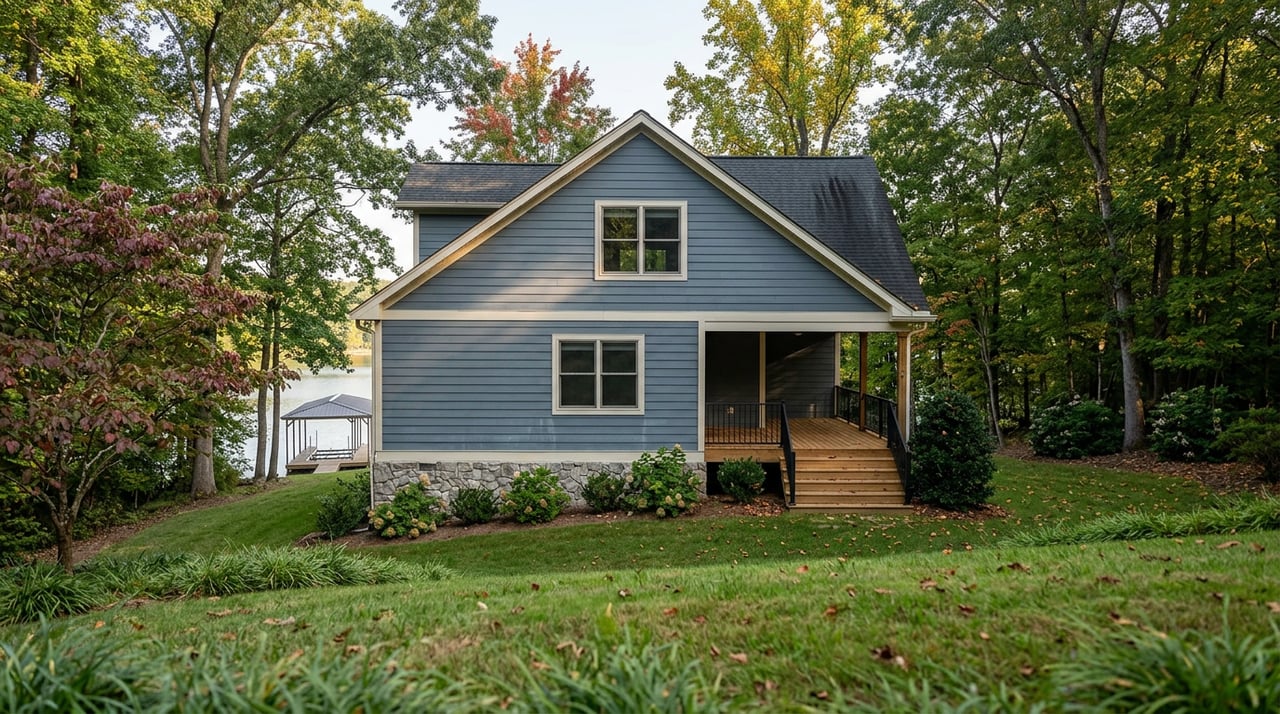
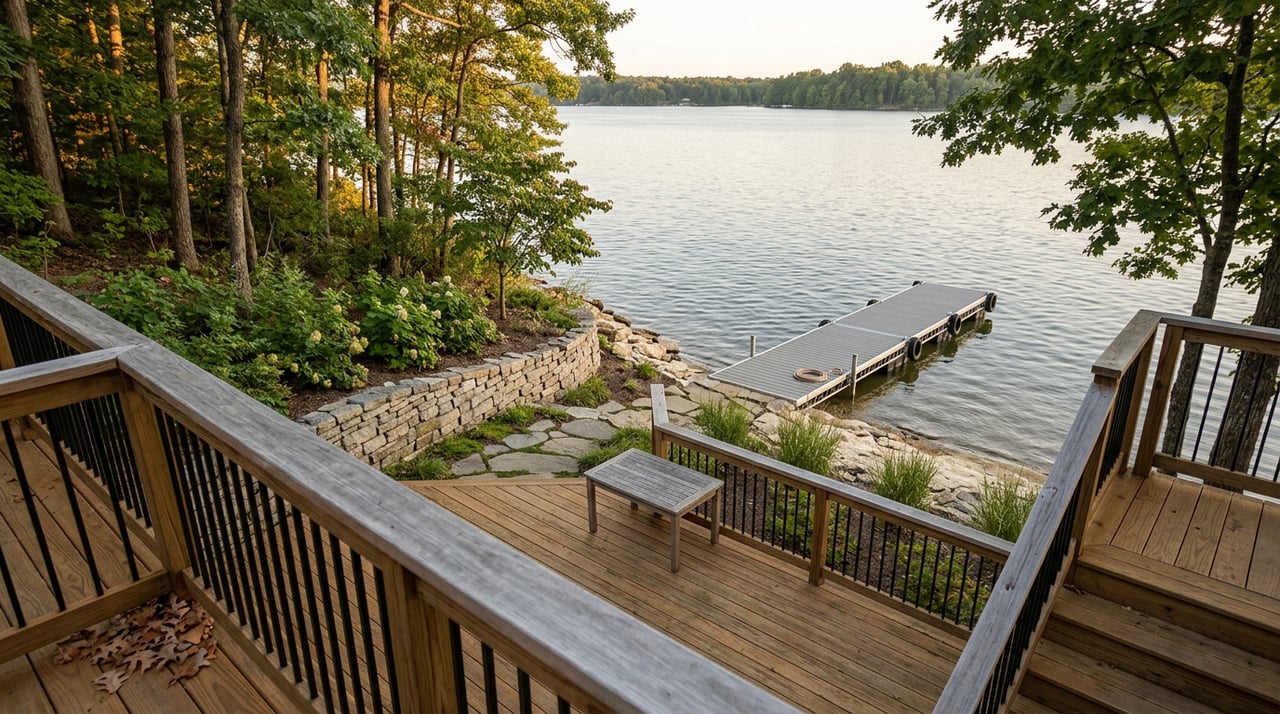
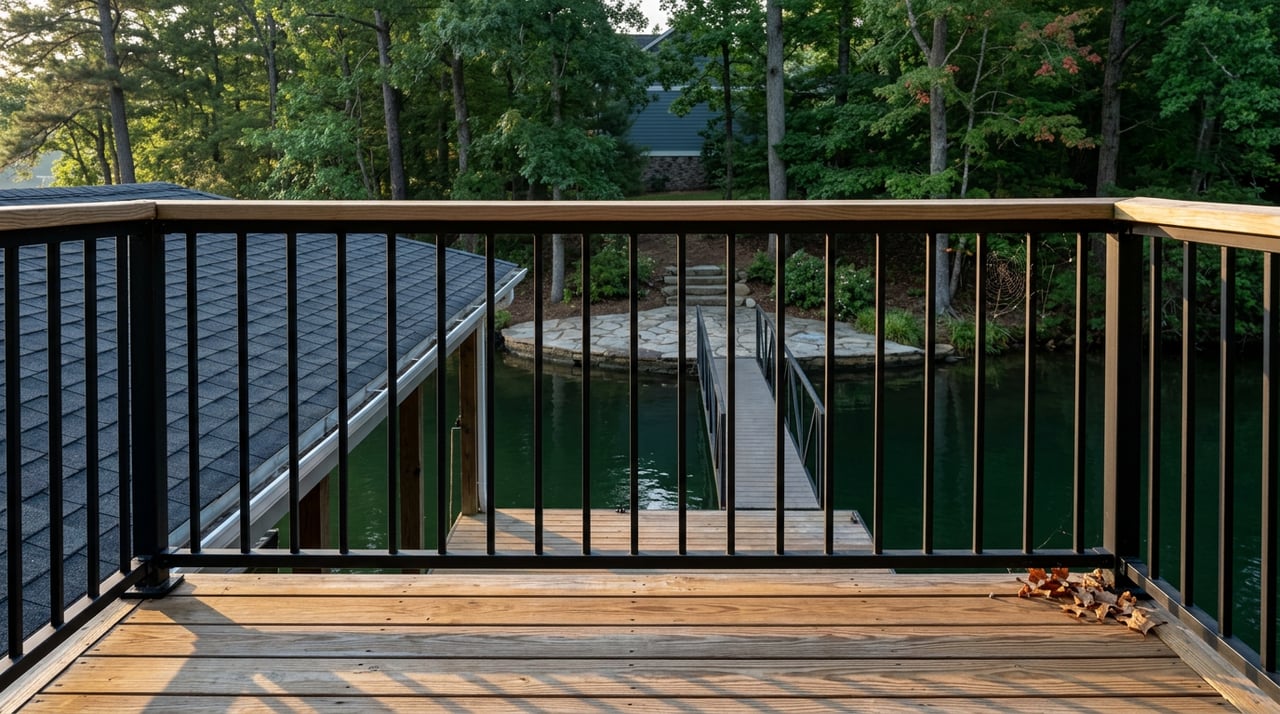
We pride ourselves in providing personalized solutions that bring our clients closer to their dream properties and enhance their long-term wealth.