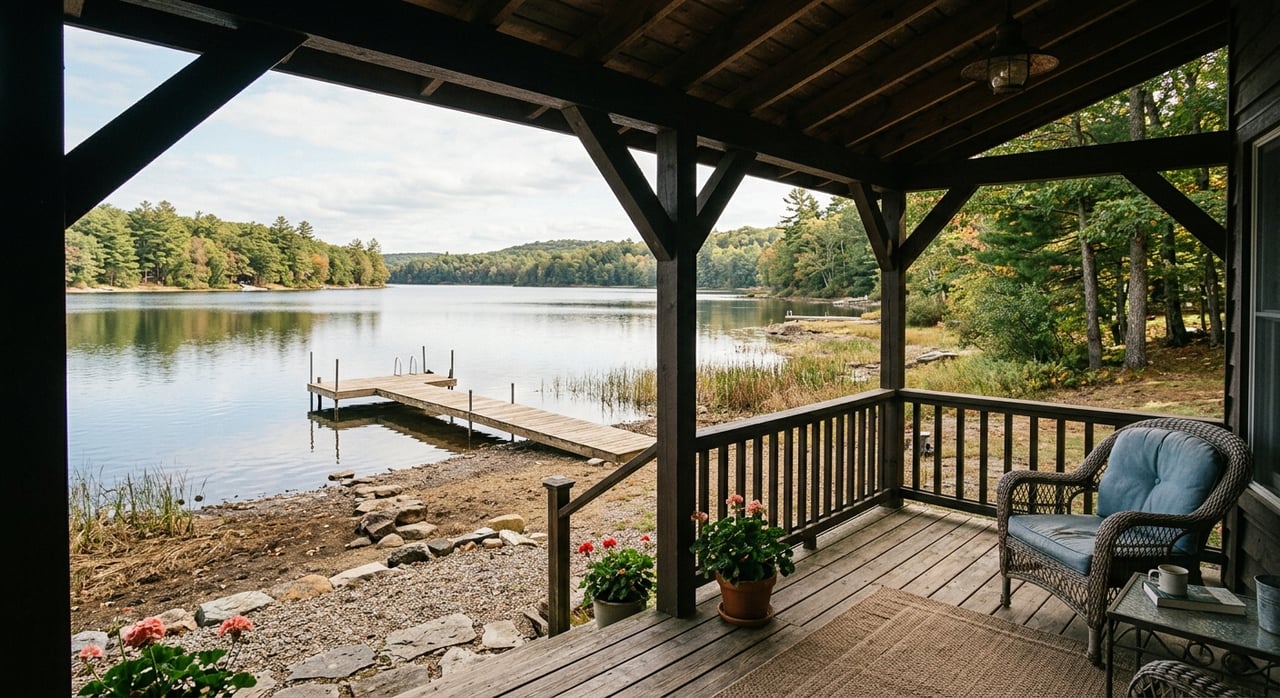
How Seasonal Lake Levels Shape Buying On Norris Lake
June 4, 2026
June 4, 2026
A Norris Lake property can look perfect on a sunny summer showing and feel very different by winter. If you are shopping for waterfront or water-access property in the 37766 area, understanding seasonal lake levels can help you avoid surprises and buy with more confidence. The good news is that once you know how TVA manages Norris Reservoir, you can evaluate lots, docks, and shoreline access much more clearly. Let’s dive in.
Norris Reservoir is a TVA-managed tributary reservoir that stretches into Campbell County and four other Tennessee counties. It includes 809 miles of shoreline and 33,840 acres of water surface, so seasonal changes affect a wide range of shoreline properties.
In a normal rainfall year, TVA says Norris Lake can vary by about 29 feet from summer to winter. That is a major swing, and it shapes how a property feels, functions, and holds its waterfront appeal across the year.
During summer, from June 1 through Labor Day, TVA works to keep reservoirs full for recreation. After Labor Day, reservoirs generally begin dropping and are lowered to flood-control levels by January 1. TVA can also release water in summer after storms or to meet downstream flow needs, so conditions can change even during peak lake season.
A summer showing can create a strong first impression. The dock may look close, the cove may feel deep, and the walk to the water may seem easy.
But TVA defines the shoreline based on normal summer pool, while the shoreline area includes land between minimum winter pool and the maximum shoreline contour. In simple terms, a lot that feels fully waterfront in midsummer may sit much farther from the water once the lake is drawn down.
That is why buying on Norris Lake is not just about what you see that day. It is about how the property performs through the full seasonal cycle.
When lake levels fall, the biggest changes usually show up in day-to-day usability. A property may still have a beautiful view, but your boating access, dock function, and walkability may change quite a bit.
Here are a few things to think about as you compare properties:
These are not fixed rules for every lot. They should be checked property by property.
On Norris Lake, TVA is the key shoreline authority for most waterfront questions. TVA’s Norris Reservoir Land Management Plan guides land-use approvals, private water-use facility permitting, and resource-management decisions on TVA-managed public land.
That matters because many buyers assume ownership of a waterfront home gives them complete control of the shoreline. On Norris, that is often not the case. TVA says it is common for there to be TVA land or land rights between a home and the lake, and that should be verified before you buy.
TVA also defines a Shoreline Management Zone on TVA-owned land that begins at normal summer pool and extends 50 feet inland. This is one reason waterfront property on Norris Lake deserves more careful review than a simple map view or online listing photos can provide.
If a property includes a dock, pier, boathouse, steps, walkway, seawall, or shoreline stabilization, do not assume everything is approved just because it is already there. TVA says that, for the most part, all construction or alterations to the shoreline on TVA reservoirs require approval.
That includes many changes buyers might consider minor. TVA specifically notes that minor dock changes, piers, boathouses, steps, walkways, and shoreline stabilization typically require approval.
In new developments, residential water-use facilities such as docks, piers, and boathouses generally must be 1,000 square feet or less unless TVA grants a waiver. TVA also says use of TVA property is usually limited to an access corridor.
Older docks may be grandfathered if they were permitted before November 1, 1999 and built in compliance with the prior permit. Even then, any future change still requires TVA approval.
Permit review is one of the most important parts of buying Norris Lake property. TVA says permits do not automatically transfer when a property changes hands.
Before closing, you should review the Section 26a permit with the seller or your real estate professional. You should also walk the site and confirm that the dock, ramp, seawall, utilities, land-based structures, and other shoreline features match what the permit allows.
If the current owner cannot find the permit, TVA says a copy can be requested from its Public Land Information Center. After closing, new owners must apply to TVA within 60 days.
This step is easy to overlook, especially in a fast-moving market. But on Norris Lake, permit status is a practical part of protecting your investment.
If you are comparing lakefront or lake-access homes in Campbell County, these questions can help you look beyond the view:
These questions can reveal a lot about long-term fit. They also help you compare one waterfront opportunity against another in a more realistic way.
The best Norris Lake buyers look at both current lake conditions and the normal seasonal pattern. TVA provides current and predicted lake levels and water-release schedules for Norris, and it updates observed and predicted water levels throughout the day.
TVA also warns that water-release schedules can change without notice because of weather or power-system needs. That means one showing tells only part of the story.
A smart evaluation often includes:
Not every buyer wants the same thing from Norris Lake property. Seasonal lake levels matter, but how much they matter depends on how you plan to use the home.
If boating convenience is your top priority, low-water access, cove depth, dock usability, and permit status should be front and center. If you care more about views, privacy, or a peaceful setting, you may be more comfortable with a higher or steeper lot, even if the walk to the water becomes longer during drawdown.
That is where local guidance can make a real difference. Two properties with similar summer photos can offer very different experiences once seasonal changes set in.
Buying on Norris Lake is rarely just about square footage or curb appeal. It is about how the land, shoreline, water access, and TVA rules all work together.
That is why working with a local brokerage with builder and land experience can help you ask better questions from the start. On a lake where waterfront value can be partly seasonal rather than fixed, practical local knowledge helps you buy the lifestyle you actually want.
If you are considering waterfront, water-access, or lot purchases in the Norris Lake corridor, Alco Builders and Realty can help you evaluate the details that matter most, from lot usability to shoreline features to the questions worth asking before you close.
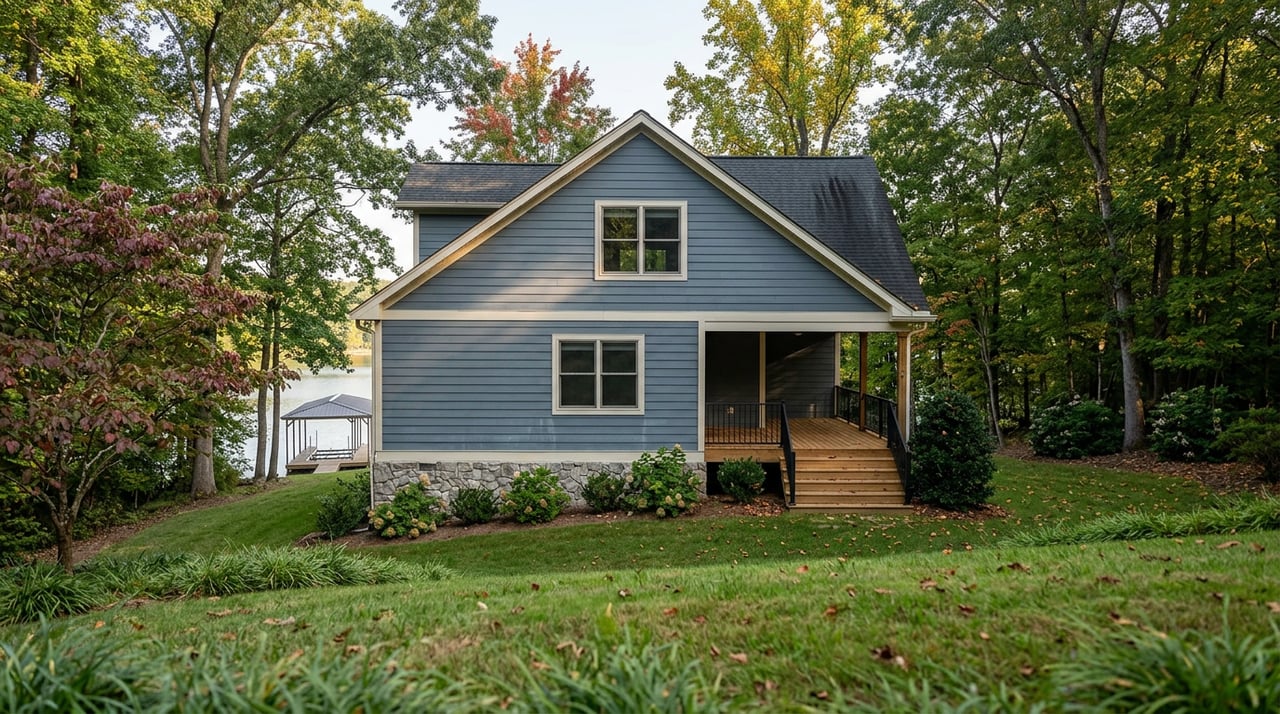
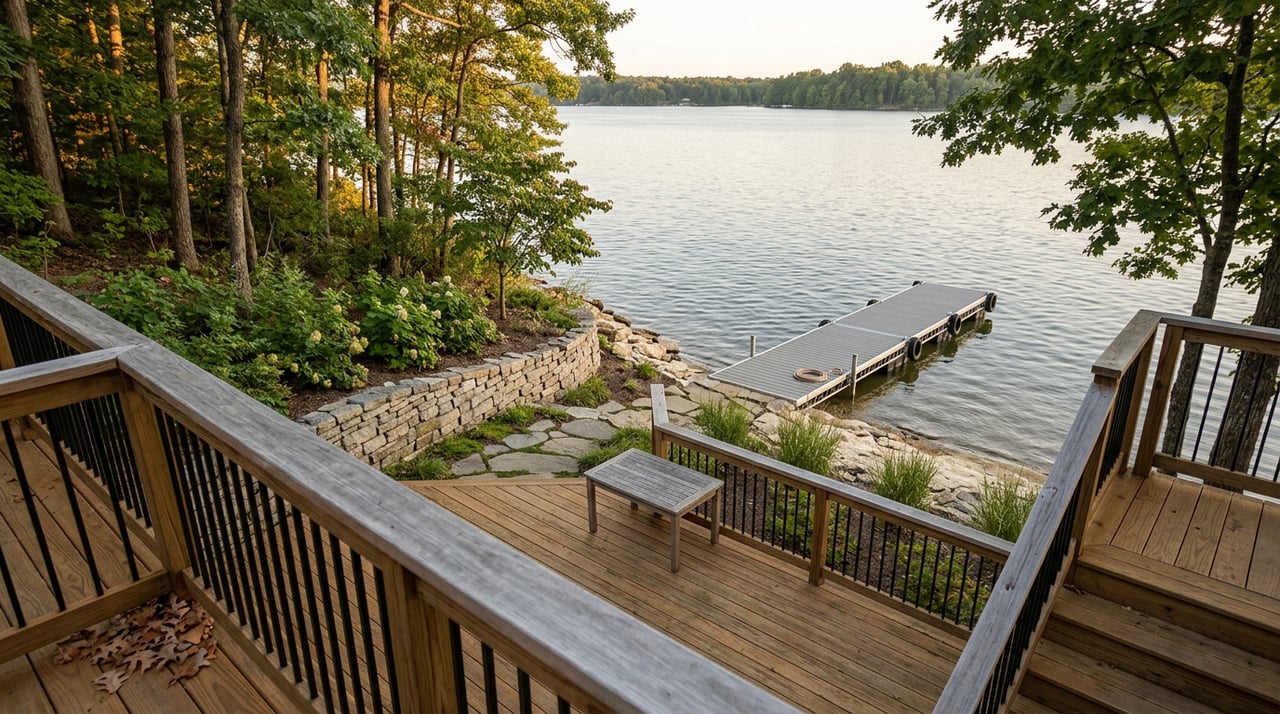
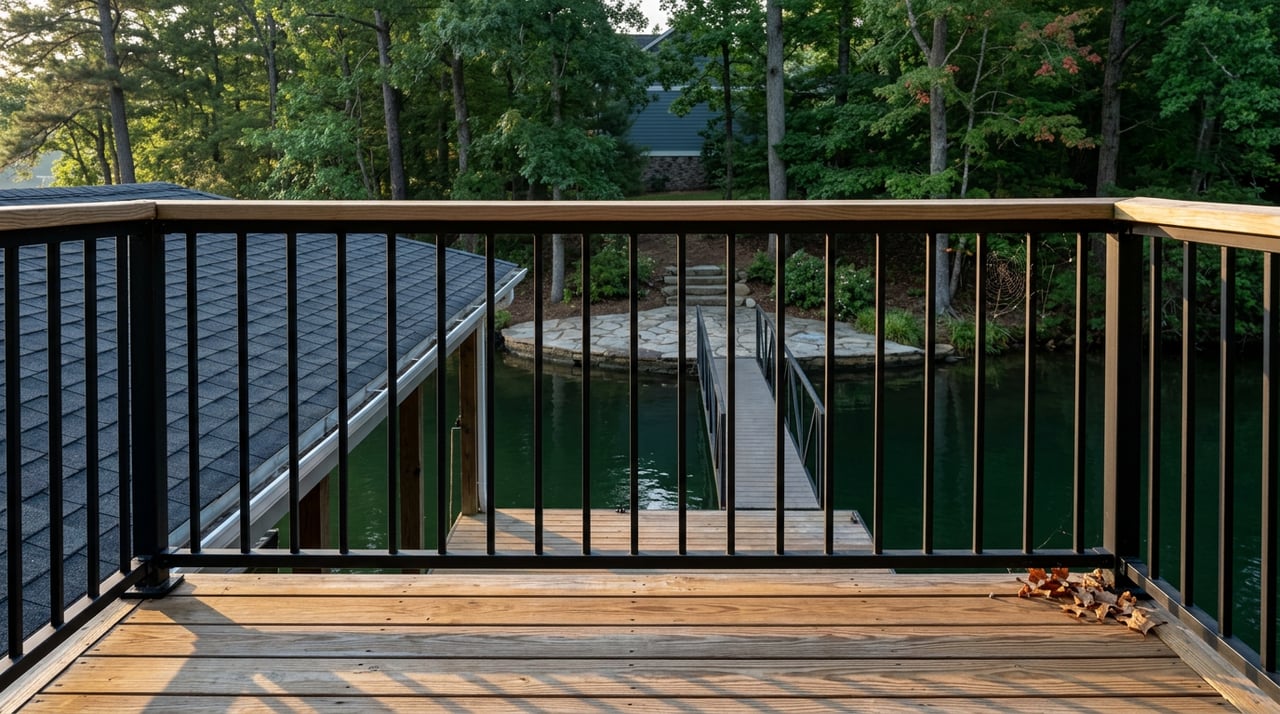

We pride ourselves in providing personalized solutions that bring our clients closer to their dream properties and enhance their long-term wealth.